
Threat Intelligence & Hunting
Threat Intelligence & Hunting
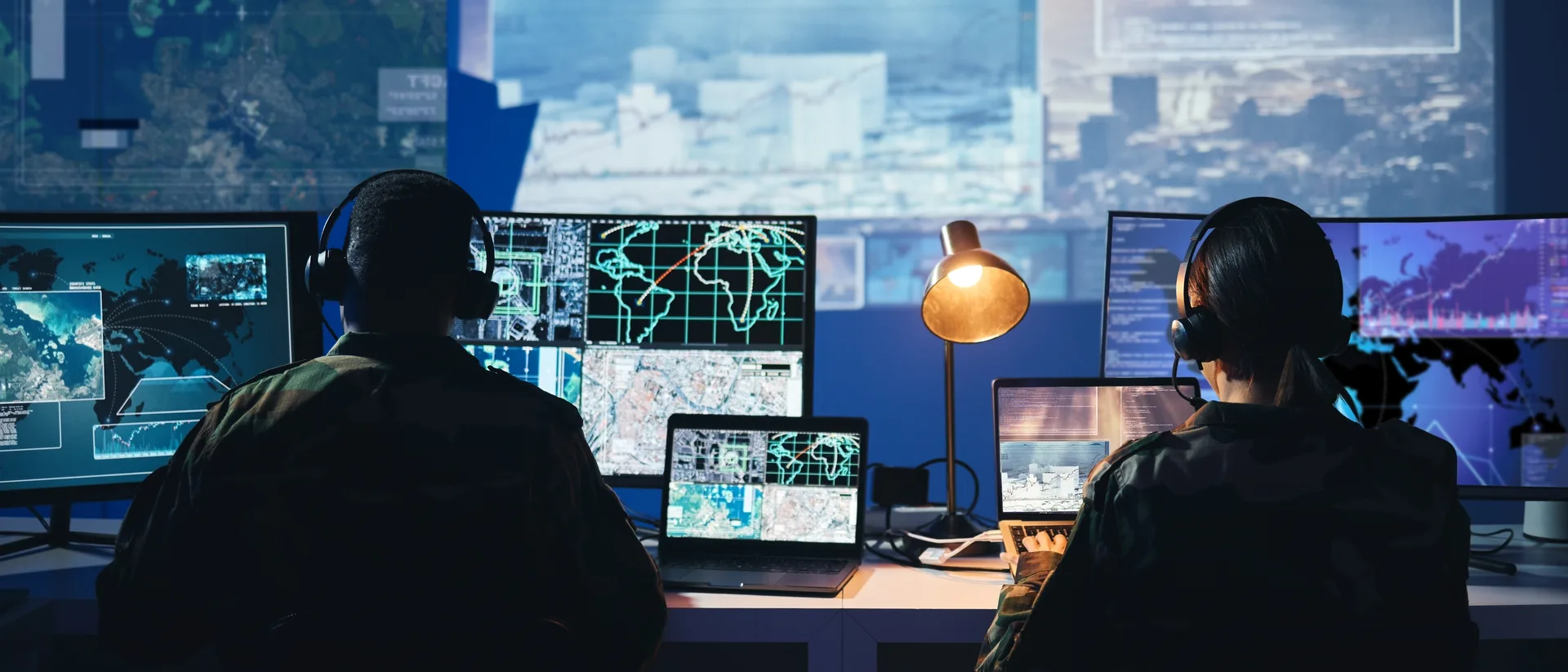
Our threat intelligence team delivers strategic, operational, and tactical intelligence based on frontline incident response experience and continuous adversary tracking. We hunt for threats that automated tools miss.
Command view
What this service changes operationally
Glexia threat intelligence and hunting turns external threat signals into defensible action. We define intelligence requirements, track relevant adversaries, monitor exposure, enrich detections, and run hypothesis-driven hunts across endpoint, identity, cloud, network, and SaaS telemetry.
Priority intelligence requirements keep collection aligned to executives, business units, assets, and threat exposure.
Threat hunts test hypotheses for attacker activity that tools may miss or classify as low signal.
Indicators, behaviors, campaigns, and actor tradecraft are converted into monitoring and response improvements.
Delivery path
From kickoff to measurable outcomes
Set intelligence priorities
Define priority questions, protected assets, executive concerns, threat scenarios, and reporting audiences.
Build threat picture
Collect and analyze adversary, exposure, brand, vulnerability, credential, and telemetry signals relevant to the client.
Run hunts and enrich detections
Execute hunt hypotheses, validate suspicious activity, tune detections, and document findings with evidence.
Report and improve
Deliver intelligence briefs, hunt reports, control recommendations, and updated requirements as the threat landscape changes.
Deliverables
Artifacts your team can operate from
Priority intelligence requirementsThreat landscape assessmentExecutive intelligence briefThreat hunt plan and reportDetection enrichment packageExposure and brand monitoring register
Common integrations
Recorded FutureMandiant AdvantageCrowdStrike FalconMicrosoft SentinelSplunkOpenCTIMISPEDR, identity, cloud, and DNS telemetry
Best fit
- Organizations that need intelligence tied to decisions, not generic threat feeds
- SOC and incident response teams looking for better enrichment, hunts, and detection coverage
- Executives facing geopolitical, brand, executive, supplier, or industry-specific targeting
Service FAQ
Threat Intelligence & Hunting questions leaders ask
Short answers for scope, operating model, and implementation decisions before a formal engagement begins.
How is threat intelligence different from threat feeds?
Threat feeds provide raw indicators. Threat intelligence explains relevance, confidence, likely actor behavior, business impact, and recommended action. We connect intelligence to detections, hunts, vulnerability prioritization, executive decisions, and response playbooks.
What telemetry do you need for threat hunting?
The best hunts use endpoint, identity, cloud, SaaS, email, DNS, proxy, firewall, VPN, and authentication telemetry. We can start with available data, document blind spots, and recommend additional sources where missing visibility limits confidence.
Can intelligence support executive or brand protection?
Yes. We can monitor executive exposure, impersonation, leaked credentials, domain abuse, social media threats, dark web signals, and brand misuse. Findings can inform executive protection, legal, communications, fraud, and incident response workflows.
Capabilities
Capabilities
Custom threat landscape analysis
Proactive threat hunting campaigns
Adversary tracking and profiling
Dark web and underground monitoring
Intelligence-driven detection engineering
Threat briefings for executive leadership
Related
Related services
Explore complementary capabilities to strengthen your overall security posture.
SOC Monitoring & Detection
Continuous threat monitoring, detection, and triage from our global 24/7 SOC team with sub-15-minute alert response.
Explore SOC Monitoring & DetectionIncident Response & Recovery
Contain, investigate, and recover with structured, mission-ready response playbooks and sub-2-hour engagement.
Explore Incident Response & RecoveryRed Team & Adversary Simulation
Full-spectrum adversary simulation across internal, external, and human attack surfaces to validate your defenses.
Explore Red Team & Adversary Simulation