

Industrial Control & OT Security
Industrial Control & OT Security
Glexia's OT/ICS security practice secures the industrial control systems that run the physical world — from PLCs and DCSs on plant floors to SCADA networks across energy, water, oil & gas, chemical, and discrete manufacturing. Our engagements are led by practitioners credentialed under ISA/IEC 62443 who have run IR for live OT incidents. We design around safety, availability, and determinism first — with a strict hands-off-to-control-loops philosophy so detection, assessment, and hardening never disrupt physical operations or endanger personnel.
Command view
What this service changes operationally
Glexia industrial control security protects operational technology with a safety-first approach. We inventory assets passively, model Purdue zones and conduits, validate remote access, improve industrial detection, and align cyber controls to production realities where uptime, safety, and process integrity matter most.
Industrial assets, protocols, data flows, and remote access paths are mapped without disrupting production systems.
Segmentation, industrial DMZ, remote access, and monitoring controls are aligned to ISA/IEC 62443 principles.
OT incident playbooks, tabletop exercises, and recovery priorities are built around safety and continuity.
Delivery path
From kickoff to measurable outcomes
Plan around safety and operations
Confirm production constraints, maintenance windows, safety contacts, protected systems, network taps, and change controls.
Map assets and conduits
Passively identify OT assets, protocols, data flows, remote access paths, trust boundaries, and critical process dependencies.
Prioritize hardening
Rank segmentation, access, monitoring, backup, vulnerability, and governance gaps by operational and safety impact.
Exercise resilience
Deliver architecture recommendations, detection use cases, OT incident playbooks, tabletop results, and remediation governance.
Deliverables
Artifacts your team can operate from
OT asset and protocol inventoryPurdue zone and conduit mapRemote access risk assessmentIndustrial DMZ hardening planOT detection use-case matrixOT incident response tabletop package
Common integrations
Nozomi NetworksDragosClarotyTenable OTPalo Alto firewallsSplunk and Microsoft SentinelHistorian and engineering workstation telemetryBackup and recovery platforms
Best fit
- Energy, manufacturing, utilities, transportation, and process environments with OT/IT convergence risk
- Teams aligning to ISA/IEC 62443, NERC CIP, TSA directives, NIST SP 800-82, or customer assurance requirements
- Operators that need better OT visibility and resilience without disrupting production equipment
Service FAQ
Industrial Control & OT Security questions leaders ask
Short answers for scope, operating model, and implementation decisions before a formal engagement begins.
Will OT assessments disrupt production systems?
The approach is passive-first and safety-led. We plan with operations, review change controls, use approved collection points, avoid intrusive scanning unless explicitly authorized, and coordinate all activity around production constraints and safety requirements.
Do you support ISA/IEC 62443 and NERC CIP alignment?
Yes. We can map controls to ISA/IEC 62443, NERC CIP, NIST SP 800-82, TSA security directives, and internal engineering standards. Recommendations are written around zones, conduits, remote access, asset visibility, monitoring, and resilience.
Can Glexia help with OT incident response planning?
Yes. We build OT-specific playbooks, tabletop scenarios, escalation paths, evidence collection guidance, recovery priorities, and executive decision models. The process separates cyber containment from process-safety and operational continuity decisions.
Capabilities
Capabilities
ISA/IEC 62443 zone & conduit architecture design
Passive OT asset discovery and vulnerability mapping
ICS/SCADA threat detection (Nozomi, Dragos, Claroty)
Purdue Model segmentation and industrial DMZ hardening
OT-aware incident response and tabletop exercises
NERC CIP, TSA Pipeline, and NIST SP 800-82 compliance
Environments we instrument
Production assets — observed, segmented, defended
From process plants to grid substations, our OT engagements operate on the live equipment that carries the load. Every approach is passive-first, reviewed against ISA/IEC 62443 zone & conduit doctrine, and rehearsed before a single packet leaves a SPAN port.

Refineries, pipelines, and chemical plants
Distributed control systems, safety-instrumented systems, and cross-vendor SCADA stacks — secured against deterministic-process risk without lifting a single trip.
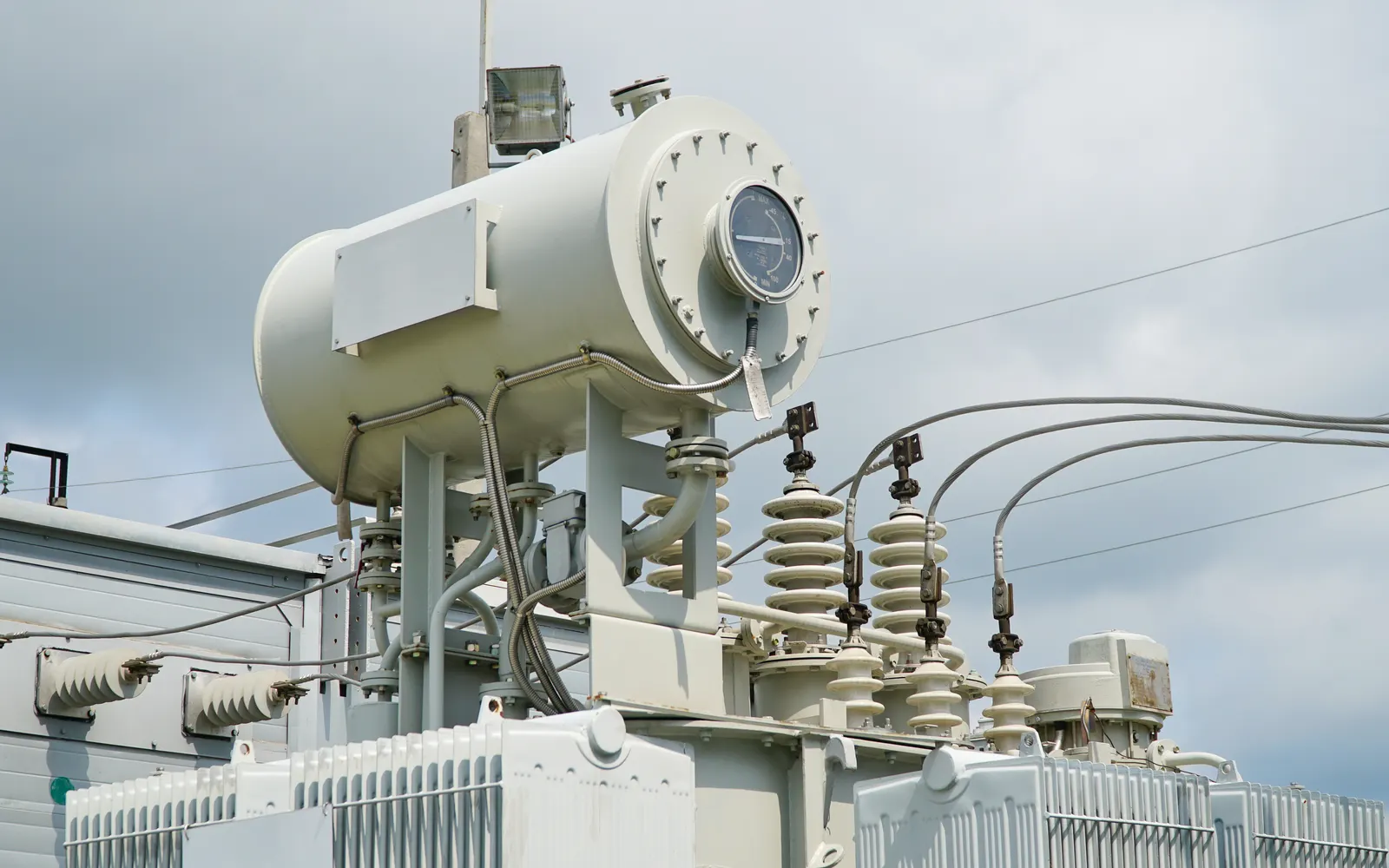
Substations, generation, and transmission
NERC CIP-aligned segmentation, IED inventory, and protective-relay traffic baselining for BES Cyber Systems — without inserting agents on equipment that must never reboot.
Related
Related services
Explore complementary capabilities to strengthen your overall security posture.
SOC Monitoring & Detection
Continuous threat monitoring, detection, and triage from our global 24/7 SOC team with sub-15-minute alert response.
Explore SOC Monitoring & DetectionIncident Response & Recovery
Contain, investigate, and recover with structured, mission-ready response playbooks and sub-2-hour engagement.
Explore Incident Response & RecoveryRed Team & Adversary Simulation
Full-spectrum adversary simulation across internal, external, and human attack surfaces to validate your defenses.
Explore Red Team & Adversary Simulation